“Work-life balance” is a phrase many of us have heard countless times, yet it often feels frustratingly out of reach. For some, balance brings to mind a perfectly organized schedule where work ends at 5:00 PM, healthy meals are prepared every night, relationships are thriving, and stress is neatly managed. Real life rarely works that way.
One of the biggest misconceptions about work-life balance is that it means giving equal time and energy to every area of life. In reality, balance is less about achieving perfect equality and more about ensuring that no single area consistently consumes all of your resources.
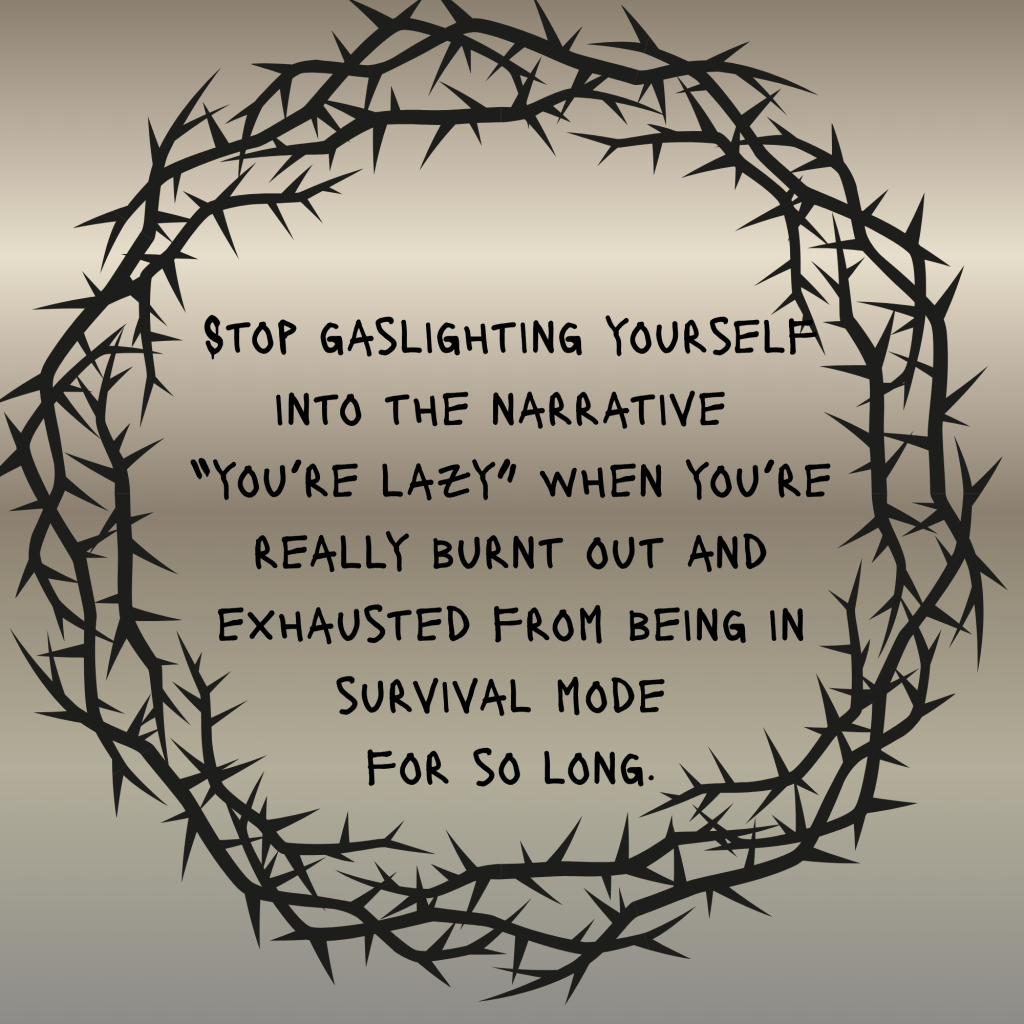
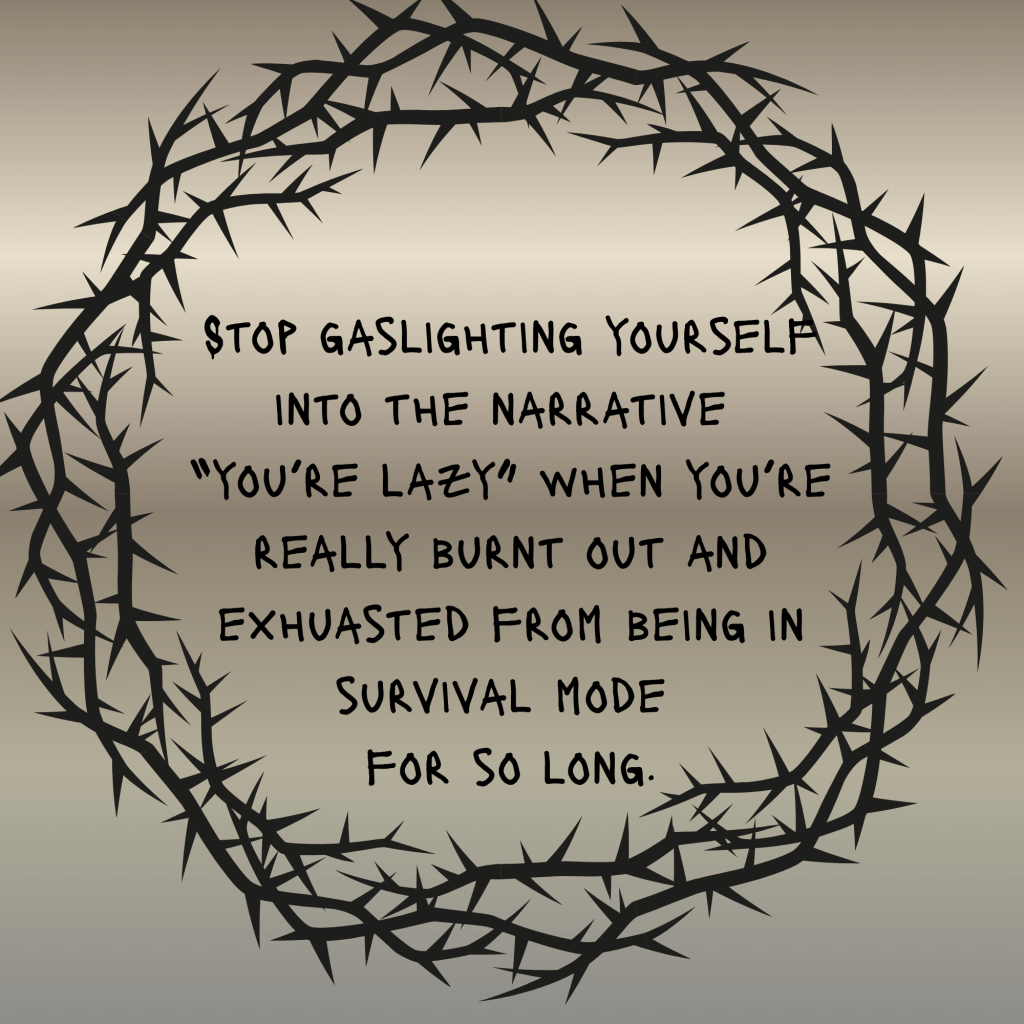
Many people seeking counseling describe feeling exhausted, overwhelmed, or disconnected from themselves. They may be meeting deadlines, caring for family members, attending school, or fulfilling countless responsibilities. From the outside, they appear successful and capable. Internally, however, they often feel like they are barely keeping up.
Over time, chronic stress can impact emotional well-being, physical health, relationships, concentration, and overall quality of life. When our schedules become dominated by obligations, the activities that help us recharge are often the first things to disappear. Rest, hobbies, social connection, and personal interests may begin to feel optional rather than necessary.
Unfortunately, many people have learned to view self-care as something that must be earned. They tell themselves they can rest after the next project, after the next deadline, or after the next crisis passes. The problem is that there is always another task waiting.
Healthy work-life balance is not about avoiding responsibility. It is about recognizing that human beings are not machines. We need opportunities to recover, reflect, connect, and enjoy life outside of productivity. Rest is not a reward for completing everything on your to-do list. It is a basic requirement for sustainable functioning.
If you find yourself struggling with balance, it can be helpful to ask a few simple questions:
- When was the last time I did something solely because I enjoyed it?
- Do I regularly make time for rest without feeling guilty?
- Have my relationships received the same attention as my responsibilities?
- Am I treating my own needs as important, or only responding to the needs of others?
- What would need to change for my current pace to feel sustainable six months from now?
These questions are not intended to create more pressure. Instead, they can help identify areas that may need attention before burnout develops.
Work-life balance is not a destination that you reach once and maintain forever. It is an ongoing process of adjustment as life’s demands change. Some seasons will require more energy from us than others. The goal is not perfection. The goal is creating a life that includes both responsibility and restoration.
There is no prize for burning yourself out in silence. Creating space for rest, connection, and personal well-being is not selfish—it is one of the ways we care for ourselves and the people who depend on us.
 Therapy with Hannah C
Leave a comment